Engineering Education in Bangalore: Why the City Continues to Shape India’s Future Engineers
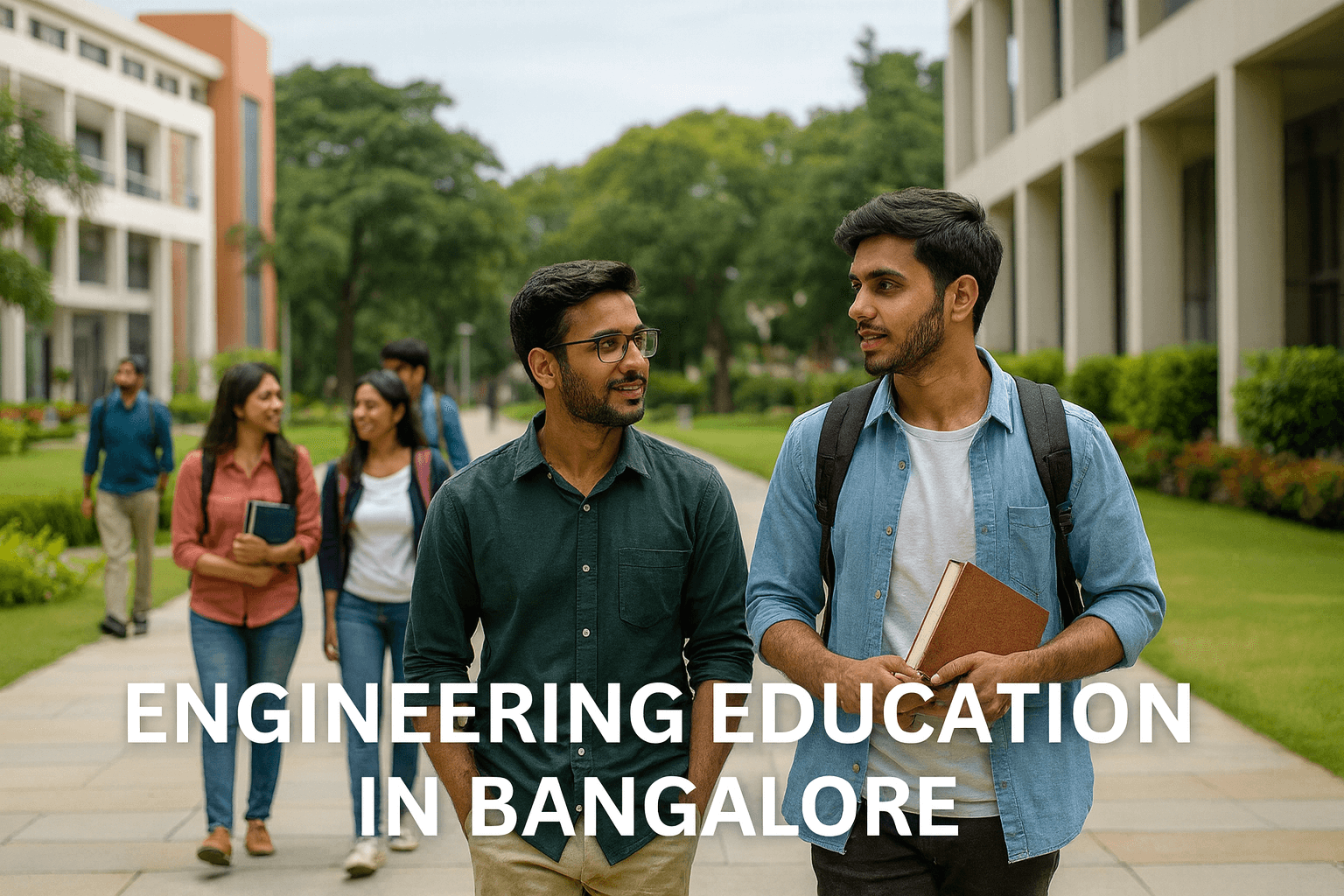
Engineering education in Bangalore has transformed dramatically over the past two decades, turning the city into one of India’s strongest learning hubs for technology and innovation. What used to be a cluster of engineering colleges has now become a full-fledged ecosystem involving universities, multinational companies, research labs, startups, skill academies, and advanced training centers. This environment makes Bangalore uniquely capable of preparing the next generation of engineers.
Students across India choose Bangalore for one simple reason — the city blends academic learning with real industry exposure better than any other place in the country. Whether it’s computer science, electronics, mechanical engineering, artificial intelligence, or emerging fields like robotics and data engineering, Bangalore offers a learning environment that evolves with technology itself.
This article explores how engineering education in Bangalore works, what students can expect, and why the city remains a powerful launchpad for future careers.
The Landscape of Engineering Education in Bangalore
Engineering education in Bangalore includes universities, autonomous institutions, affiliated colleges, and industry-linked campuses. Each category plays a different role in shaping students’ skills.
1. Universities and Deemed Institutions
These offer wide course choices, strong research facilities, and updated technology programs. Students benefit from interdisciplinary exposure, internships, and innovation centers.
2. Autonomous Colleges
Known for flexible and frequently updated curricula. These institutions often collaborate with tech companies for projects and training programs.
3. Affiliated Colleges
These follow standardized university syllabi. Many provide excellent faculty support, practical labs, and industry-driven training modules.
4. Skill and Innovation Hubs
Independent training centers offer specialized programs in AI, ML, cloud computing, UI/UX, and cybersecurity — skills that add value beyond university degrees.
Together, these layers create a well-rounded ecosystem for engineering education in Bangalore.
Why Students Prefer Engineering Education in Bangalore
1. The City Is India’s Technology Capital
With thousands of IT companies, advanced manufacturing units, electronics firms, and R&D labs, Bangalore exposes engineering students to real-world applications from day one.
2. Pathways to Internships and Early Careers
Students can intern at startups, global companies, or mid-sized tech firms during their studies. Many get pre-placement offers before graduating.
3. A Curriculum That Evolves with Industry Trends
Engineering education in Bangalore is not rigid. Colleges revise their syllabus frequently to include:
- Artificial intelligence
- Cloud computing
- IoT development
- Robotics
- Data science and analytics
- Sustainable engineering
- Biomedical innovations
4. Strong Peer Community
The presence of students from all states and backgrounds helps create a dynamic learning environment. Group projects, tech fests, hackathons, and coding competitions push students to sharpen their skills.
5. Vibrant Student Life
With cafés, libraries, cultural events, and student clubs, Bangalore offers a balanced lifestyle that keeps learners motivated.
Academic Structure of Engineering Education in Bangalore
Most engineering programs follow a four-year structure broken into eight semesters. Each semester includes classroom learning, lab sessions, projects, and assessments.
Course Components
- Core subjects that build engineering fundamentals
- Elective subjects that allow specialization
- Lab sessions and workshops to build practical skills
- Mini-projects in early semesters
- Major project in the final year
- Internships or industry credits where applicable
Skill-Based Add-On Courses
Many colleges offer additional skill modules such as:
- Python programming
- Full-stack development
- Embedded systems
- PLC and automation
- CAD and 3D modeling
- Cloud platforms (AWS, Azure, Google Cloud)
These help students become more employable.
Branches Available Under Engineering Education in Bangalore
Engineering programs in Bangalore cover almost every field, including traditional and emerging branches.
Popular Branches
- Computer Science Engineering
- Information Science Engineering
- Electronics and Communication Engineering
- Mechanical Engineering
- Civil Engineering
- Electrical Engineering
High-Demand Emerging Fields
- Artificial Intelligence & Machine Learning
- Cybersecurity
- Data Science
- Internet of Things
- Mechatronics
- Robotics and Automation
- Biotechnology
- Aerospace Engineering
Bangalore’s diverse industry presence ensures that each field finds a related career path.
Learning Environment: What Students Experience Daily
Engineering education in Bangalore focuses on practical, hands-on, and project-driven learning. A typical student experience includes:
1. Modern Laboratories
Labs for electronics, mechanical engineering, computing, AI projects, and robotics help students create prototypes and test real engineering solutions.
2. Coding Culture
Coding clubs, hackathons, coding nights, and competitive programming groups are integral to campus culture.
3. Research and Innovation Projects
Colleges often collaborate with industries like automotive, healthcare, and defense for research projects.
4. Startup Exposure
Students interact with founders, participate in incubation programs, and even pitch their own ideas.
5. Campus Activities
From seminars to national-level tech fests, students get wide exposure to engineering beyond textbooks.
Admissions Process: How Students Enter Engineering Colleges in Bangalore
Engineering admissions usually follow three main pathways:
1. Entrance Exams
- KCET (for Karnataka students)
- COMEDK UGET (for all India)
- JEE Main
Scores determine eligibility for many top institutions.
2. Management Quota
Private colleges offer a percentage of seats under management admissions. This does not require entrance exam rank.
3. Direct Admissions
Some institutions accept direct applications based on Class 12 marks.
Fee Structure in Bangalore Engineering Colleges
Fees vary depending on college category:
Government Colleges
₹25,000 – ₹80,000 per year
Private Colleges
₹1.2 lakh – ₹3.5 lakh per year
Deemed Universities
₹2.5 lakh – ₹4.5 lakh per year
Additional Costs
- Hostel and food
- Lab charges
- Exam fees
- Material and workshop fees
Many students reduce expenses through scholarships and fee concessions.
Scholarships for Engineering Students in Bangalore
Students can apply for:
- Government scholarships
- Merit-based scholarships
- Income-based scholarships
- Minority category scholarships
- Private or NGO-funded scholarships
- Institutional scholarships
These programs help reduce the financial load and encourage students to pursue engineering without barriers.
Placement Landscape: The Biggest Advantage of Studying Engineering in Bangalore
Bangalore is home to global companies from multiple industries:
IT and Software
Infosys, Wipro, TCS, Accenture, IBM, Oracle, SAP, Microsoft, Google
Electronics and Semiconductor
Bosch, Intel, Qualcomm, Texas Instruments
Automotive & Mechanical
Tata Motors, Mercedes-Benz, Volvo, Continental
Aerospace & Research
ISRO centers, HAL, DRDO labs
Startups
Over 15,000 startups offering internship and job options
Placement Packages
- Average packages: ₹4–7 LPA
- High-performing students: ₹10–20 LPA
- Exceptional placements: ₹25–45 LPA+ in product companies
Students benefit from campus placements, off-campus drives, startup hiring, and internship-to-job transitions.
Challenges Students Should Know
Engineering education in Bangalore is rewarding, but students also face challenges:
1. High competition
With thousands of engineering aspirants, standing out requires continuous skill development.
2. Fast-changing technologies
Students must learn new skills regularly to stay relevant.
3. Managing academics with projects
Engineering involves multiple assignments, labs, and project deadlines.
4. City lifestyle expenses
Bangalore can be moderately expensive depending on the location.
These challenges push students to develop maturity and professional discipline.
Future of Engineering Education in Bangalore
Over the next decade, engineering education in Bangalore will experience significant advancements:
1. AI-Integrated Learning
Institutions will adopt AI-based labs and intelligent tutoring systems.
2. Electric Vehicle Technology
New courses will emerge as EV adoption grows.
3. Space Research & Aeronautics
ISRO collaborations will expand learning opportunities.
4. Sustainability & Green Technology
Environmental engineering and renewable energy programs will grow.
5. Industry-Certified Degree Models
Colleges will form partnerships with companies like Amazon Web Services, Google, Cisco, and Autodesk for integrated certifications.
The city will continue shaping engineers capable of contributing to global innovation.
Conclusion
Engineering education in Bangalore is much more than completing a degree — it is a journey shaped by innovation, collaboration, diversity, and real-world learning. With its robust ecosystem of colleges, technology companies, startups, and research centers, Bangalore remains one of the best destinations in India for engineering aspirants.
Students who choose Bangalore gain not just academic knowledge but a deeper understanding of how technology solves real problems and shapes the future. Whether your interest lies in traditional branches or cutting-edge technologies, Bangalore provides the tools, guidance, and environment to help you grow into a confident professional.